Egypt coach Hossam Hassan reflects on AFCON exit, looks ahead to 2026 World Cup
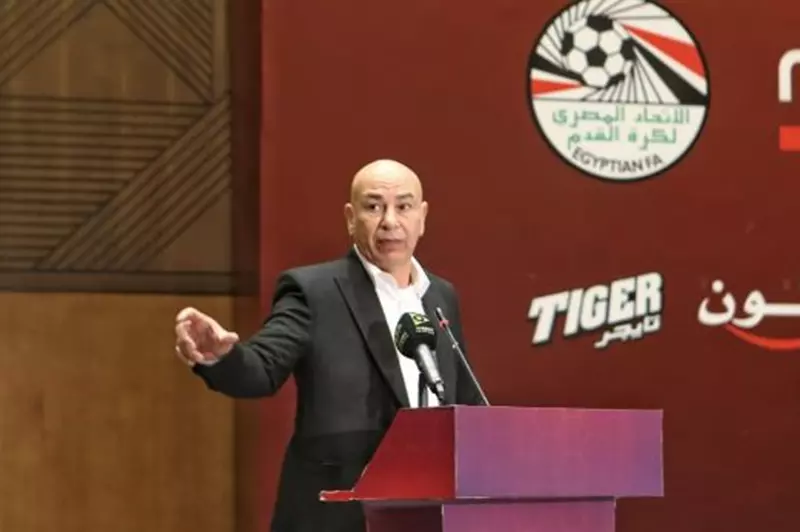
Egypt national team coach Hossam Hassan has offered his assessment of the African Cup of Nations (AFCON) campaign and outlined the team’s preparations for the 2026 World Cup.
The Pharaohs reached the semi-finals in Morocco before being eliminated by Senegal and settled for a fourth-place finish after a 4-2 penalty loss against Nigeria.
Speaking at a press conference, Hassan praised his squad’s commitment and spirit throughout the tournament.
“I thank all the players for their dedication and high morale,” Hassan said. “They all showed patriotism during the African Cup of Nations.”
He highlighted the team’s achievements leading up to the tournament, noting their unbeaten run in AFCON qualification and their strong World Cup qualifying performance.
“We had goals to qualify for AFCON, which we achieved without defeat, and we secured World Cup qualification with a five-point lead, which is very difficult,” he said.
Hassan described the Moroccan edition of the tournament as one of the toughest in recent years, emphasizing the growth of African football.
“The Africa Cup of Nations in Morocco was very difficult. African teams have developed significantly, and the tournament was one of the most challenging,” he said.
He reflected on Egypt’s path through the competition, including a win over the previous champions.
“We reached the round of 16, then faced Benin, a team that was a serious World Cup contender. The match against South Africa was played under very tough circumstances,” he said.
“We then beat Ivory Coast, the previous champions, deservedly. But against Senegal, we were very tired because they had an extra day of rest. It’s normal for teams to have equal rest days. Reaching the semi-finals is a great honor.”
Hassan defended Egypt’s tactical approach, responding to criticism of their defensive style.
“I wanted to win the African Cup of Nations,” he said. “Some criticized our defensive style, but every match has its own circumstances. The technical and physical level of African players is much higher than in the Egyptian league, and this must be considered.”
He added that Egypt played Senegal with the same strategy used against Ivory Coast, but the extra rest day and a controversial goal were decisive.
“We performed well against Nigeria in the third-place match. Now we begin preparing for the World Cup,” he said. “We must unite for the biggest tournament in football. Without proper preparation, no coach can achieve success. We need ample time to reduce the technical and physical gap with other teams.”
Hassan also addressed the squad’s depth and player fitness.
“It is unprecedented that 26 out of 28 players participated,” he said. “I’m not boasting, but my aim was to give every player experience on the field. Some may overlook the need to rejuvenate the national team.”
He also discussed the challenges faced by key players.
“Mohamed El Shenawy was under immense pressure at Al Ahly, which affected his national team performance,” Hassan said.
He added that midfielder Imam Ashour had been battling a serious viral infection and required a long rehabilitation period.
-
 AFCON 2027 qualifiers: Senegal face Ethiopia as Zambia meet Togo in second round Sep 26, 2026
 -
AFCON 2027 qualifying: Algeria, Morocco and Cote d’Ivoire among opening-day winners Sep 26, 2026
-
AFCON 2027 qualifiers: Algeria, Morocco and Nigeria among winners on opening matchday Sep 26, 2026
-
Kenya held by Eritrea in opening 2027 Africa Cup of Nations qualifier Sep 26, 2026



-
AFCON 2025: Fixtures, Results, Scores and Standings Jan 18, 2026
-
Leadership and long-term vision key to rescuing Zamalek and inspiring Egyptian football – Hany Abou Rida Nov 5, 2025
-
Match hero Taiwo Awoniyi reflects on team effort after Chelsea triumph May 5, 2026
-
South African giants Orlando Pirates set to lose influential forward Monnapule Saleng Mar 19, 2025




-
AFCON 2027 Qualifiers: Matchday 1 & 2 fixtures, kick-off times and venues confirmed Sep 22, 2026
-
Sierra Leone step up AFCON 2027 preparations ahead of Zimbabwe opener Sep 22, 2026
-
Mohammed Kudus withdraws from Ghana squad ahead of AFCON qualifiers Sep 20, 2026
-
Nigeria lose Victor Osimhen for Madagascar, Guinea-Bissau AFCON 2027 qualifiers Sep 20, 2026