Rabat court hears cases over violence involving Senegal supporters at AFCON final
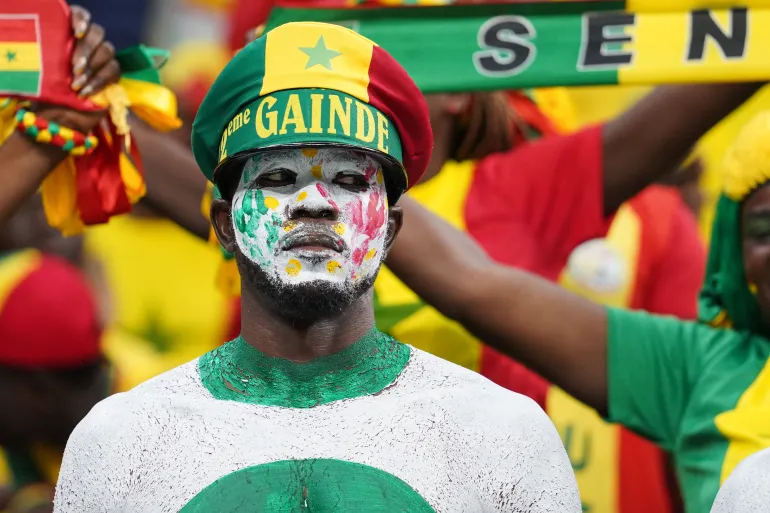
Senegalese supporters have appeared before a court in Rabat as Moroccan authorities move to pursue legal action over the violence that erupted during the closing moments of the 2025 Africa Cup of Nations final.
According to Moroccan media outlet Le360, a total of 19 individuals were brought before the Rabat court on Wednesday, four days after Senegal’s dramatic victory over hosts Morocco.
Those facing proceedings include 18 Senegalese nationals and one Algerian, all accused of acts of violence and vandalism linked to the disorder inside the stadium.
The incidents occurred in the dying stages of the final, a match already charged with tension.
With the scoreline finely balanced, the referee awarded a late penalty to Morocco, a decision that immediately inflamed tempers both on and off the pitch.
Senegal’s players, the Lions of Teranga, briefly left the field following instructions from head coach Pape Thiaw, protesting the call amid mounting pressure.
As emotions spilled over in the stands, groups of Senegalese supporters surged forward, breaking through security barriers.
Stewards and security personnel attempted to restore order, leading to clashes that disrupted the conclusion of the match and overshadowed what should have been a moment of sporting celebration.
Moroccan authorities moved quickly to regain control, and while rumours circulated in the aftermath, Moroccan police later denied that there were any fatalities linked to the unrest.
Nevertheless, the disturbances prompted a judicial response, with prosecutors seeking to hold those deemed responsible accountable under Moroccan law.
The court appearances mark a significant step in Morocco’s handling of the fallout from the final, signalling a determination to respond firmly to crowd violence during major sporting events.
The Moroccan justice system has made clear that incidents of vandalism and assaults on security staff will not be overlooked, regardless of the international context of the competition.
The case has added another layer of controversy to a final that was already one of the most dramatic in recent AFCON history.
Senegal’s triumph, secured after an intense and emotionally charged contest, has been widely celebrated at home, but the scenes in Rabat have drawn scrutiny from across the continent.
As legal proceedings continue, attention will remain focused on how the case is resolved and what precedent it may set for the treatment of supporter violence at international tournaments.
For now, the events of that night continue to cast a long shadow over Senegal’s victory, reminding organisers and authorities of the challenges involved in managing high-stakes football matches on the biggest stage.
-
 Jorthy Mokio scores twice as Ajax beat Groningen 5-2 Oct 19, 2026
 -
Carlos Baleba makes first Premier League start for Manchester United Oct 19, 2026
-
Yan Diomande leads Real Madrid to LaLiga victory over Sevilla Oct 19, 2026
-
CAF Champions League: North African clubs suffer setbacks as Sudan’s Al Hilal pick crucial away win Oct 19, 2026



-
AFCON 2025: Fixtures, Results, Scores and Standings Jan 18, 2026
-
Match hero Taiwo Awoniyi reflects on team effort after Chelsea triumph May 5, 2026
-
Leadership and long-term vision key to rescuing Zamalek and inspiring Egyptian football – Hany Abou Rida Nov 5, 2025
-
South African giants Orlando Pirates set to lose influential forward Monnapule Saleng Mar 19, 2025




-
Real Betis v Barcelona: kick-off time, TV details and match preview Oct 16, 2026
-
PSG v Barcelona: fiery attacks set up Champions League classic at Parc des Princes Oct 18, 2026
-
Morocco to face New Zealand as FIFA U-17 Women’s World Cup kicks off in Rabat Oct 16, 2026
-
Bryan Mbeumo scores again as Manchester United held by Leeds Oct 18, 2026