Morocco’s AFCON hosting hailed as a benchmark for African football
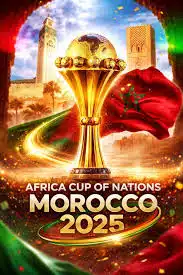
Sports figures and media professionals gathered in Tangier say the 2025 Africa Cup of Nations has set a new benchmark for organisation on the continent, praising Morocco’s hosting of the tournament as “high-level” and unprecedented in scope.
Speaking on the sidelines of the competition, athletes and journalists highlighted the scale, efficiency and integration of the arrangements for the 35th edition of the AFCON, pointing to Morocco’s infrastructure, logistics and security as evidence of its growing expertise in staging major international sporting events.
Former Morocco international Mohamed Sabiq said the success of the tournament had been recognised well beyond Africa.
He underlined the quality of stadiums, transport systems and sporting facilities, as well as the smooth coordination of logistics and security.
According to Sabiq, known widely by the nickname “Simo”, supporters from across the continent were welcomed warmly, contributing to what he described as a unique atmosphere throughout the competition.
He added that the latest edition of the AFCON had broken records on several fronts, including financial revenue, stadium attendance and the number of goals scored.
In his view, these achievements reflected years of experience accumulated by Morocco through the organisation of major events such as the Club World Cup, the African Nations Championship, the Women’s Africa Cup of Nations and other international tournaments across various age categories.
Sabiq said the tournament had projected a clear image of Morocco’s capacity to host global events, particularly as preparations continue for the 2030 World Cup, which the country will co-host alongside Spain and Portugal.
He also linked the organisational success to broader progress in Moroccan football, citing recent triumphs by national teams, including victories at the U20 World Cup, the U-17 Africa Cup of Nations and the CHAN.
From a media perspective, Mohamed Samadi, president of the Tangier section of the Moroccan Association of Sports Press, said Morocco had become an “essential equation” in the organisation of continental and international football events.
He noted that the country offered a comprehensive package, bringing together stadiums, hotels, transport networks, tourist facilities and medical infrastructure.
Sports analyst and journalist Rachid Hadifi echoed those views, arguing that the AFCON had helped challenge long-standing stereotypes about hosting major events in Africa.
He said Morocco’s organisational standards were approaching those applied by FIFA at the World Cup, particularly in areas such as infrastructure, transport and television production, giving the tournament “an exceptional pleasure” for participants and viewers alike.
-
 Jorthy Mokio scores twice as Ajax beat Groningen 5-2 Oct 19, 2026
 -
Carlos Baleba makes first Premier League start for Manchester United Oct 19, 2026
-
Yan Diomande leads Real Madrid to LaLiga victory over Sevilla Oct 19, 2026
-
CAF Champions League: North African clubs suffer setbacks as Sudan’s Al Hilal pick crucial away win Oct 19, 2026



-
AFCON 2025: Fixtures, Results, Scores and Standings Jan 18, 2026
-
Match hero Taiwo Awoniyi reflects on team effort after Chelsea triumph May 5, 2026
-
Leadership and long-term vision key to rescuing Zamalek and inspiring Egyptian football – Hany Abou Rida Nov 5, 2025
-
South African giants Orlando Pirates set to lose influential forward Monnapule Saleng Mar 19, 2025




-
Real Betis v Barcelona: kick-off time, TV details and match preview Oct 16, 2026
-
PSG v Barcelona: fiery attacks set up Champions League classic at Parc des Princes Oct 18, 2026
-
Morocco to face New Zealand as FIFA U-17 Women’s World Cup kicks off in Rabat Oct 16, 2026
-
Bryan Mbeumo scores again as Manchester United held by Leeds Oct 18, 2026