IFAB blocks Arsene Wenger offside idea and opens door to VAR corner reviews for 2026 World Cup
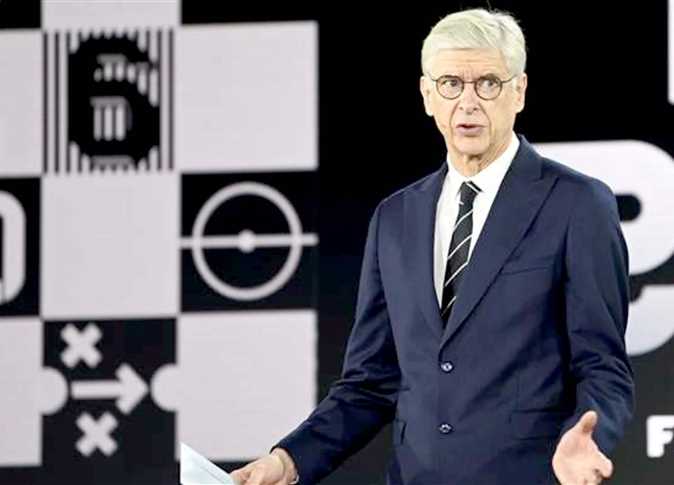
Football’s lawmakers have effectively shelved Arsene Wenger’s radical offside proposal but agreed a series of other key changes that could reshape matches at the 2026 World Cup.
The IFAB meeting in London focused on offside experiments, VAR usage and new measures to clamp down on time-wasting and medical interruptions.
Wenger, now FIFA’s Chief of Global Football Development, had suggested a new interpretation where an attacker is only offside if their entire body is ahead of the last defender.
However, UEFA and the four British associations strongly opposed the idea, warning it would “create chaos” for defensive lines, and IFAB chose not to move forward, limiting it to ongoing small-scale trials such as in the Canadian Premier League.
Instead, IFAB opened the way for a targeted expansion of VAR: competitions may allow video review of clearly incorrect corner-kick decisions, provided it happens immediately and without stopping play. This exception could be implemented as early as the 2026 World Cup in the USA, Mexico and Canada.
There is also broad support for letting VAR check second yellow cards that lead to a sending-off and situations where the wrong player is booked or sent off. To fight time-wasting, IFAB and FIFA want stricter countdowns: goalkeepers already face an 8-second limit on holding the ball, and similar timers are planned for throw-ins and goal kicks, with possession awarded to the opponent if the restart is delayed.
Another tested measure would force players receiving on-field treatment to leave the pitch for a set period, though there is disagreement over whether that should be two minutes or closer to 30 seconds.
IFAB also clarified the “double touch” rule on penalties after recent Champions League controversy and backed the use of referee bodycams in certain competitions.
All proposals are due for final approval on 28 February, with most changes set to take effect from 1 July 2026 and potentially in time for the World Cup.
-
 Aston Villa make approach for AC Milan defender Fikayo Tomori Oct 24, 2026
 -
CAF Champions League: Colombe Sportive take 2-0 lead into Teungueth return Oct 24, 2026
-
Napoli and Arsenal tracking Monza striker Gustavo Varela Oct 24, 2026
-
Romaric N’Dri tips Barcelona to beat Real Madrid in Sunday’s Clasico Oct 24, 2026




-
AFCON 2025: Fixtures, Results, Scores and Standings Jan 18, 2026
-
Match hero Taiwo Awoniyi reflects on team effort after Chelsea triumph May 5, 2026
-
Leadership and long-term vision key to rescuing Zamalek and inspiring Egyptian football – Hany Abou Rida Nov 5, 2025
-
South African giants Orlando Pirates set to lose influential forward Monnapule Saleng Mar 19, 2025




-
Barcelona v Real Madrid: Catalans backed at 1.65 to win October Clasico Oct 23, 2026
-
Barcelona and Real Madrid meet in pivotal 265th Clasico Oct 23, 2026
-
PSG v Barcelona: fiery attacks set up Champions League classic at Parc des Princes Oct 18, 2026
-
Champions League: PSG beat Barcelona as Liverpool complete comeback against Villarreal Oct 20, 2026