FEATURE: From Ronaldo to Mané – The unanswered question behind Al-Nassr’s trophy drought
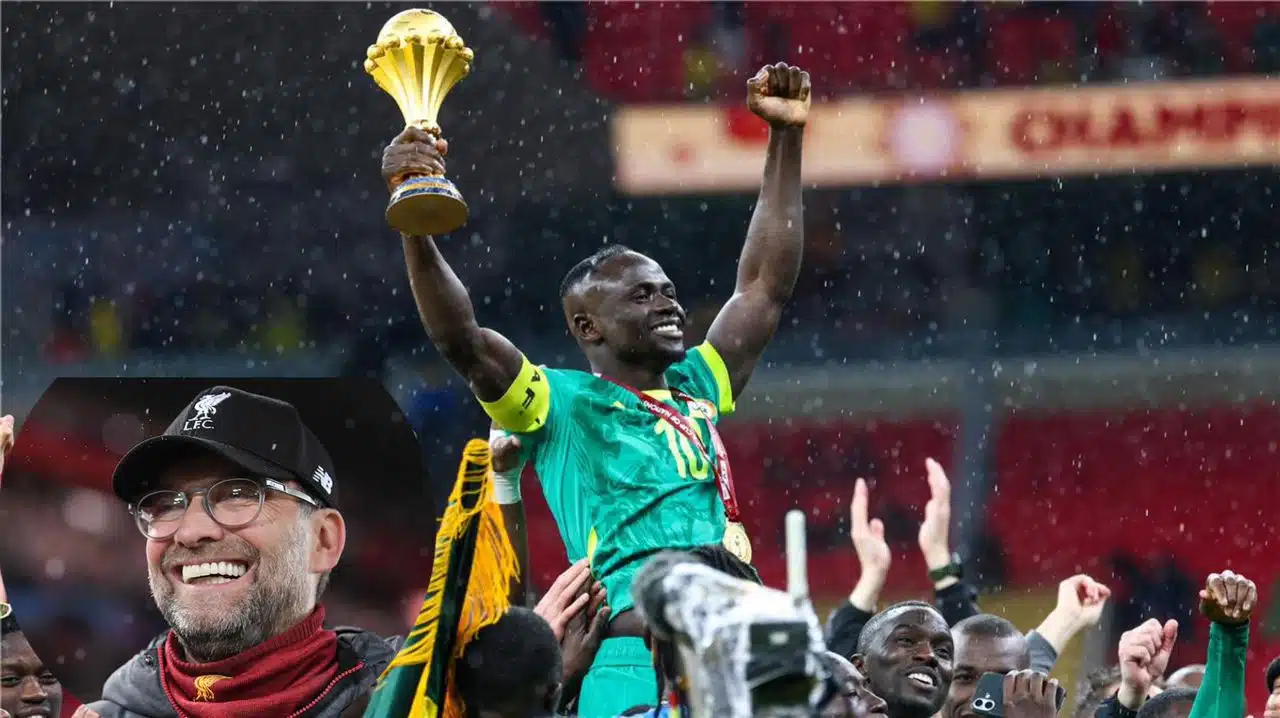
Every season, Al-Nassr enter the title race burdened with ambition and decorated with global stars accustomed to lifting trophies on the biggest stages.
Yet the story often ends the same way: close enough to touch glory, but never close enough to claim it.
Fine margins, decisive moments, late calls, or unforgiving penalty kicks repeatedly turn hope into heartbreak, leaving fans wondering why a squad packed with elite talent continues to fall short.
Despite boasting an exceptional collection of international players, Al-Nassr struggle to translate quality into silverware. The question is no longer whispered but openly asked: is the club plagued by bad luck, or is it trapped in an environment that prevents success?
The pattern suggests something deeper than coincidence. Al-Nassr reach finals, compete until the final minutes, but stumble at the decisive point, as though an invisible barrier stands between them and titles.
Defeats in the King’s Cup against Al-Hilal, repeated failures in the Super Cup, and painful exits from the AFC Champions League at the semi-final stage have become familiar scenes. These recurring disappointments strengthen the sense that the issue extends beyond temporary misfortune.
What fuels the debate further is the success many players enjoy once they step away from the yellow jersey. Stars who struggle to win with Al-Nassr often find immediate glory elsewhere, either before joining the club or after leaving it.
Spanish defender Aymeric Laporte offers a striking example. While his spell with Al-Nassr was marked by frustration and unfulfilled expectations, he shone on the international stage, playing a key role as Spain lifted the 2024 European Championship title after defeating England. His time in Riyadh ended without trophies, despite the excitement that surrounded his arrival.
Abdul-Ilah Al-Amri experienced a similar contrast. After moving on loan to Al-Ittihad, he became part of a team that understands how to win. In a single season, he captured both the league and the King’s Cup, returning to Al-Nassr with achievements he had been unable to secure while wearing the club’s colours.
Cristiano Ronaldo’s case adds another layer to the narrative. Although he tasted success with Al-Nassr in the King Salman Cup for Arab Clubs, major domestic and continental honours remained elusive. Away from the club, however, his winning instincts resurfaced as he led Portugal to the UEFA Nations League title in 2025, scoring a decisive goal in the final against Spain. The contrast reinforces the belief that the problem lies less with the players and more with the environment surrounding them.
Even departures have followed the same script. The exits of Anderson Talisca and Jhon Durán did not signal decline but rather the start of renewed success. Both players went on to lift the Turkish Super Cup with Fenerbahçe, extending a growing list of former Al-Nassr players who leave and immediately find themselves standing on podiums elsewhere.
All signs point back to the same unresolved dilemma. Is Al-Nassr simply cursed by relentless bad luck, or does the club suffer from a deeper structural issue that prevents its stars from fulfilling their potential? Until answers emerge on the pitch in the form of trophies, the question will continue to haunt the club and its supporters.
-
 Injury forced Liverpool to abandon Yankuba Minteh pursuit Sep 19, 2026
 -
Timothy Weah set for Marseille-PSG clash after USMNT snub Sep 19, 2026
-
CAF sounds out Morocco and two other countries over 2027 Africa Cup of Nations Sep 19, 2026
-
Algeria selection: Saadi Radouani call-up questioned amid Anthar Yahia claims Sep 19, 2026




-
AFCON 2025: Fixtures, Results, Scores and Standings Jan 18, 2026
-
Leadership and long-term vision key to rescuing Zamalek and inspiring Egyptian football – Hany Abou Rida Nov 5, 2025
-
South African giants Orlando Pirates set to lose influential forward Monnapule Saleng Mar 19, 2025
-
Match hero Taiwo Awoniyi reflects on team effort after Chelsea triumph May 5, 2026




-
African Stars choose Botswana’s Lucas Moripe Stadium to host Orlando Pirates in CAF Champions League Sep 16, 2026
-
Europa League: AC Milan, Benfica and Lyon begin new league phase Sep 16, 2026
-
Atletico Madrid vs Real Madrid: Derby date, kick-off time and where to watch Sep 18, 2026
-
Besiktas and Marseille reveal probable line-ups for Europa League opener Sep 15, 2026