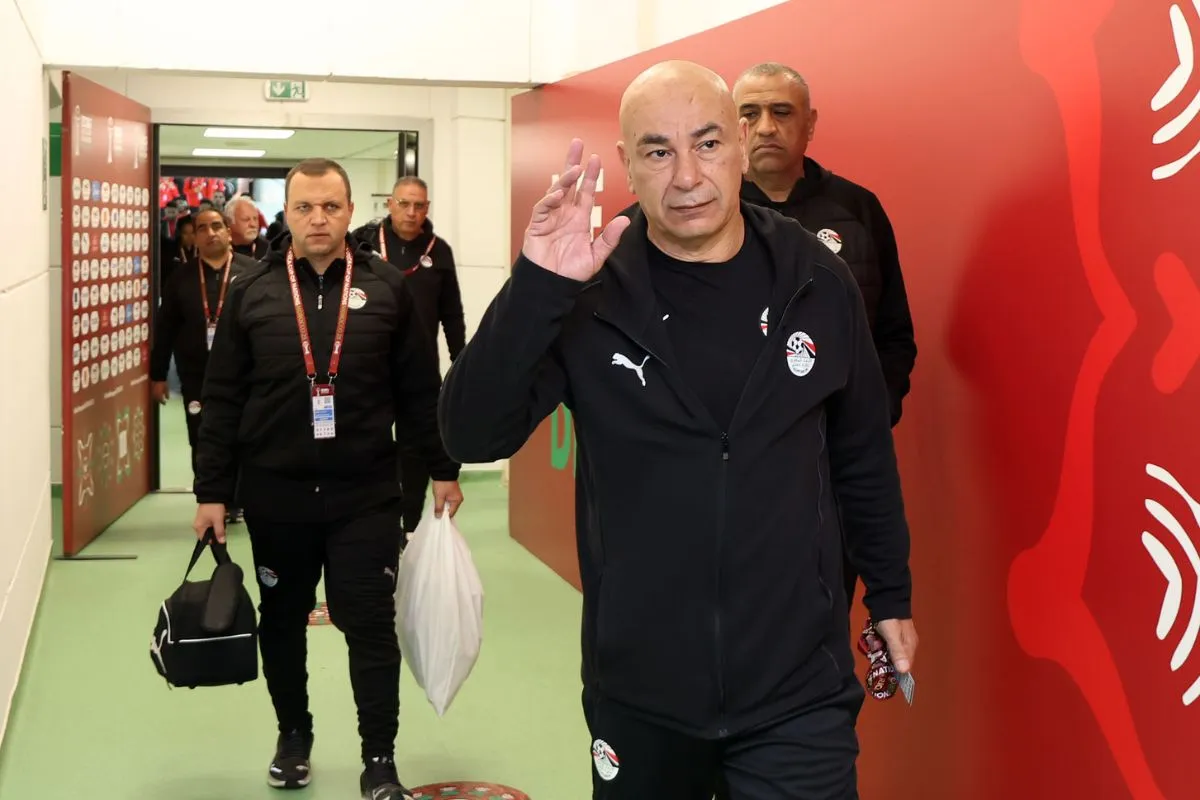
Egypt’s AFCON 2025 campaign under Hossam Hassan ends in fourth with debate over squad choices
Egypt’s national team remains the most decorated side in Africa Cup of Nations history, winning the tournament seven times since their first triumph in 1957 and becoming the only team to secure three consecutive titles (2006, 2008, 2010).
With 13 medals overall – seven gold, three silver, and three bronze – the Pharaohs’ legacy sets a high benchmark for every new generation. Ghana, Cameroon, and Ivory Coast follow closely in medal counts, highlighting the competitive nature of African football.
AFCON 2025 performance under Hassan
In the 2025 edition, Egypt finished fourth after a penalty shootout loss to Nigeria. While the defeat on penalties was a disappointment, coach Hossam Hassan cited the broader challenges surrounding the match, including travel issues, late-night suspensions of two players, and limited opportunities to adjust tactics.
Hassan emphasized that penalty shootouts often hinge on luck, regardless of team preparation.
The squad, largely composed of domestic-based players, included many making their first AFCON appearance. Hassan acknowledged the contrast with opponents fielding European-based professionals, framing the campaign as part of Egypt’s ongoing learning process.
Under his tenure, Egypt has officially lost only once—to Senegal—while notable victories include a quarterfinal win over Ivory Coast and a 2-1 World Cup qualifier triumph against Burkina Faso.
Tactical approach and conservative play
Across 26 matches under Hassan, Egypt won 16, drew seven – including the Nigeria penalty loss – and lost three, primarily in friendlies.
Observers note a defensive and counterattack-focused approach, prioritizing tackles, clearances, and set-piece opportunities, particularly against high-level opponents like Ivory Coast and Senegal.
Offensive identity was often limited, with reliance on long balls to forwards Mohamed Salah and Omar Marmoush.
Local players and experience debate
Hassan defended the use of domestic players, but critics argue Egypt’s past successes were built on similar squads. Under coaches Carlos Queiroz, Héctor Cúper, and Hossam Hassan senior, domestic-based lineups featuring stars such as Wael Gomaa, Essam El-Hadary, and Amr Zaki achieved continental glory, competing successfully against European-based talent like Samuel Eto’o and Didier Drogba.
While Egypt’s fourth-place finish reflects areas for improvement, historical precedent suggests that local squads can still compete at the highest African level, challenging the narrative that Hassan’s team underperformed solely due to inexperience.
-
 Algeria face must-win Egypt clash for 2027 U20 Africa Cup of Nations place Oct 6, 2026
 -
Argentina expected to start Lionel Messi against Benin in Buenos Aires friendly Oct 6, 2026
-
Riyad Mahrez: Rais M’Bolhi played key role in Al-Shamal transfer Oct 5, 2026
-
Filipe Luís hails Senegal midfielder Lamine Camara as ‘the future of football’ Oct 5, 2026



-
AFCON 2025: Fixtures, Results, Scores and Standings Jan 18, 2026
-
Match hero Taiwo Awoniyi reflects on team effort after Chelsea triumph May 5, 2026
-
Leadership and long-term vision key to rescuing Zamalek and inspiring Egyptian football – Hany Abou Rida Nov 5, 2025
-
South African giants Orlando Pirates set to lose influential forward Monnapule Saleng Mar 19, 2025




-
AFCON 2027 Qualifiers: McCarthy warns South Africa to expect tough test against Eritrea Sep 29, 2026
-
Denmark v Portugal: Nations League kick-off time, TV channel and match prediction Sep 29, 2026
-
South Sudan vs Egypt: Where to watch AFCON 2027 qualifier Sep 29, 2026
-
France v Belgium: Probable line-ups for Nations League clash Oct 3, 2026