AFCON 2025: Eric Chelle proud of Super Eagles after third-place finish
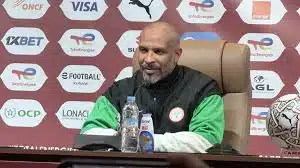
Eric Chelle admitted the emotional weight of defeat would have been heavy, but relief and pride ultimately defined Nigeria’s Africa Cup of Nations campaign as the Super Eagles secured third place at the tournament.
The Nigeria head coach praised his squad for their commitment and resilience, insisting their response across the competition justified his confidence in the group.
While the title remained out of reach, Chelle believes the performance offered a platform for future success.
“It would have been very difficult for me to accept if we had lost this game,” Eric Chelle said. “My players gave everything during this AFCON, and I am very proud to be their coach. It is not easy when a French coach comes in and is very demanding, but they worked hard, respected the process and earned my respect.”
Nigeria’s bronze-medal finish eased the pressure on the Malian-born tactician, who has faced scrutiny since taking charge.
Although he fell short of delivering the trophy, Chelle stressed that the campaign should be viewed as a step forward rather than a missed opportunity.
“I am happy with third place, even though I wanted to bring the trophy to Nigeria. We don’t know what the future holds, maybe in two years we will bring it.”
Chelle also provided insight into his tactical choices during the third-place match, revealing he intentionally moved away from his preferred diamond midfield to test a flat 4-4-2 system.
The decision, he admitted, brought early challenges.
“I wanted to bring the game wide first, then inside,” he explained. “The players are more comfortable in the diamond, so the first half was difficult. In the second half we kept the ball better, we even scored a goal that was ruled offside, and when Lookman came in he was very good. For me, we deserved this victory.”
Special praise was reserved for goalkeeper Stanley Nwabali, who played a decisive role despite concerns over his condition before the tournament.
Chelle highlighted the importance of trust and personal connection in helping the goalkeeper perform at his best.
“We prepared Stanley like every other player. We have a very good goalkeeper coach and technical staff,” he said. “Something happened in his life, this is not just tactical or technical. We spoke in South Africa and built trust. He is strong, sometimes nervous, but he would go to war for his teammates. He gave everything in every game, and he deserves this victory.”
With Nigeria having missed out on World Cup qualification, Chelle emphasised that his focus is firmly on continuity and long-term development rather than short-term fixes.
“Our mission now is the next AFCON. We want to build something ambitious.”
He defended his team selection and rotation policies, insisting that calculated risks are essential to growth.
“Sometimes you must take risks to help the team improve. I am looking for 24 players who can compete every day. High pressing for 90 minutes is difficult in tournaments, so we are building depth for the future, whether I am here or not.”
Addressing criticism of his substitutions, Chelle remained firm in his approach.
“If I do something that looks crazy, there is always a reason.”
He also responded to questions over the limited involvement of younger players, explaining the need to protect them from excessive pressure.
“You cannot just throw young players into pressure situations,” he explained. “Imagine taking penalties in front of 60,000 people if they fail, it can affect their careers. They must prove readiness every day in training, not just one session.”
Chelle cited Benjamin Frederick as an example of patience paying off.
“He trained well when we had limited numbers and earned his chance. The others must learn, grow, and show they are better than players who have been here for five or six years. Then they will play, that responsibility is mine.”
Despite the challenges, Chelle ended the tournament convinced of his team’s potential.
“If we play with intensity, aggression and movement, we are the best team in Africa,” Chelle concluded. “Now we must build a team that can sustain that level across many games, improve our set-pieces and penalties, and keep growing.”
-
 Patrick Vieira refuses Senegal presentation until contract is signed Aug 26, 2026
 -
Qarabag target Nigeria winger Taofeek Ismaheel after Gornik Zabrze return Aug 26, 2026
-
Fenerbahce weigh move for Frankfurt’s French-Cameroonian winger Bahoya Aug 26, 2026
-
Felix Uduokhai: Union Berlin weigh move for Besiktas centre-back Aug 26, 2026



-
AFCON 2025: Fixtures, Results, Scores and Standings Jan 18, 2026
-
Leadership and long-term vision key to rescuing Zamalek and inspiring Egyptian football – Hany Abou Rida Nov 5, 2025
-
South African giants Orlando Pirates set to lose influential forward Monnapule Saleng Mar 19, 2025
-
Full schedule for 2025 Africa Cup of Nations in Morocco confirmed Feb 12, 2025




-
Ajax close in on Franco-Guinean youngster Abdoulaye Camara Aug 19, 2026
-
DR Congo star Fiston Mayele joins Al Ahli Tripoli on two-year deal Aug 20, 2026
-
2026 Joan Gamper Trophy: FC Barcelona vs Al Ahly – When and how to watch Aug 19, 2026
-
Newcastle United reach agreement to sign Guinean midfielder Ousmane Diabaté Aug 19, 2026