Algeria
Cabo Verde
Competitions
Côte d’Ivoire
Countries
DR Congo
Egypt
FIFA World Cup
Ghana
Latest News
Morocco
Senegal
South Africa
Tunisia
World Football
US exempts major sporting events from visa ban, tourist visas for fans remain unaffected
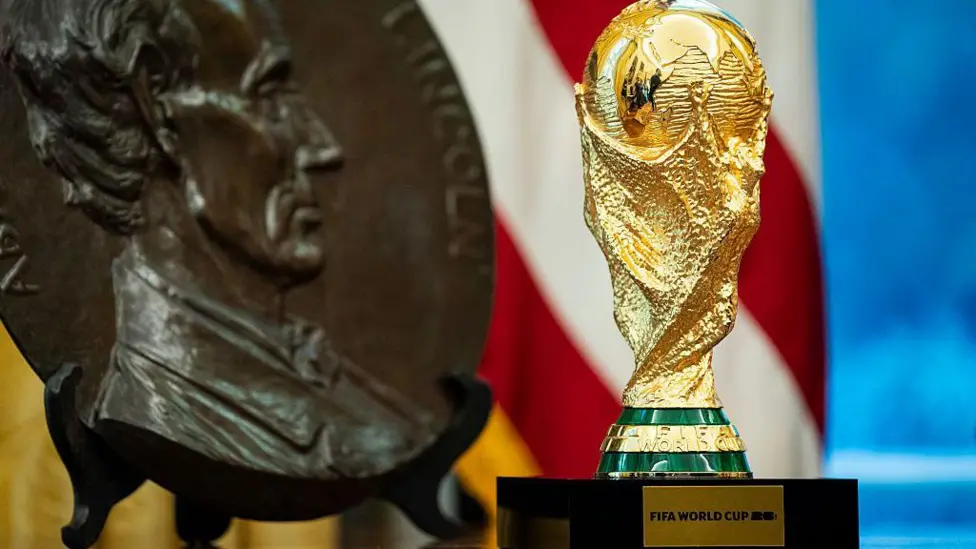
The United States government has clarified that its latest visa restrictions will not affect tourist visa applications for football fans travelling to attend major sporting events, including the 2026 FIFA World Cup, despite a broad ban on immigrant visas affecting nearly 40 countries.
In a directive circulated to all US embassies and consulates on Wednesday, the State Department identified a wide range of competitions classified as “major sporting events” whose participating athletes, coaches and support staff will be exempt from the recently expanded visa ban.
The exemption goes beyond the 2026 FIFA World Cup and the 2028 Olympic Games to include events organised or endorsed by major international, collegiate and professional sports bodies.
However, the cable stressed that the exemption applies strictly to participants and accredited officials, not to spectators, media representatives or corporate sponsors, unless they qualify under separate visa categories.
Crucially, FIFA has moved to allay fears among football supporters, particularly from Africa, that the policy could prevent fans from attending the World Cup in the United States.
“The ban is for immigrant visas, not tourist visas,” a FIFA spokesperson told AfricaSoccer.com in comments relayed by the site’s editor, Nuhu Adams.
“African fans and supporters of all qualified teams will be able to apply for their visas as previously communicated.
“FIFA continues to work closely with US authorities to ensure fans can attend matches without unnecessary barriers.”
President Donald Trump’s December 16 proclamation suspended the issuance of immigrant visas to citizens of 39 countries and the Palestinian Authority, citing immigration control and public assistance concerns.
While some countries face full bans and others partial restrictions, the administration carved out exemptions for athletes and staff involved in globally significant sporting events, delegating the final list to Secretary of State Marco Rubio.
That list now includes all Olympic and Paralympic competitions and qualifiers, FIFA-sanctioned events, Special Olympics competitions, and events organised by bodies such as the NCAA, NFL, NBA, MLB, NHL, MLS, Formula 1, NASCAR, PGA, LPGA, UFC and WWE, among others.
Countries under a full ban include Afghanistan, Burkina Faso, Chad, Mali, Niger, Somalia, Sudan and others, while a partial ban affects nations such as Senegal, Ivory Coast, Tanzania, Zambia and Zimbabwe.
Despite concerns sparked by the announcement, immigration experts note that World Cup supporters typically apply for B-1/B-2 tourist visas, which remain outside the scope of the immigrant visa ban.
With the 2026 World Cup set to be co-hosted by the United States, Canada and Mexico, assurances from both FIFA and US authorities are expected to ease anxiety among African fans eager to follow their national teams on football’s biggest stage.
-
 Bukayo Saka, Marc Guehi first Premier League Team of the Week Aug 25, 2026
 -
Real Madrid target Oscar Naasei set for Castilla move from Granada CF Aug 25, 2026
-
The big reason Man Utd could regret signing Barcelona’s Alejandro Balde Aug 25, 2026
-
Chelsea prepared to let Nicolas Jackson leave as Aston Villa transfer talks advance Aug 25, 2026




-
AFCON 2025: Fixtures, Results, Scores and Standings Jan 18, 2026
-
Leadership and long-term vision key to rescuing Zamalek and inspiring Egyptian football – Hany Abou Rida Nov 5, 2025
-
South African giants Orlando Pirates set to lose influential forward Monnapule Saleng Mar 19, 2025
-
Full schedule for 2025 Africa Cup of Nations in Morocco confirmed Feb 12, 2025




-
Gustavo Poyet enters Algeria shortlist as FAF weighs next manager Aug 18, 2026
-
Ajax close in on Franco-Guinean youngster Abdoulaye Camara Aug 19, 2026
-
Malick Fofana prefers Roma over Inter transfer Aug 18, 2026
-
Al-Shabab explore move for Galatasaray’s Gabonese-French midfielder Mario Lemina Aug 18, 2026