AFCON 2025: Coaching battle highlights a decisively African tournament
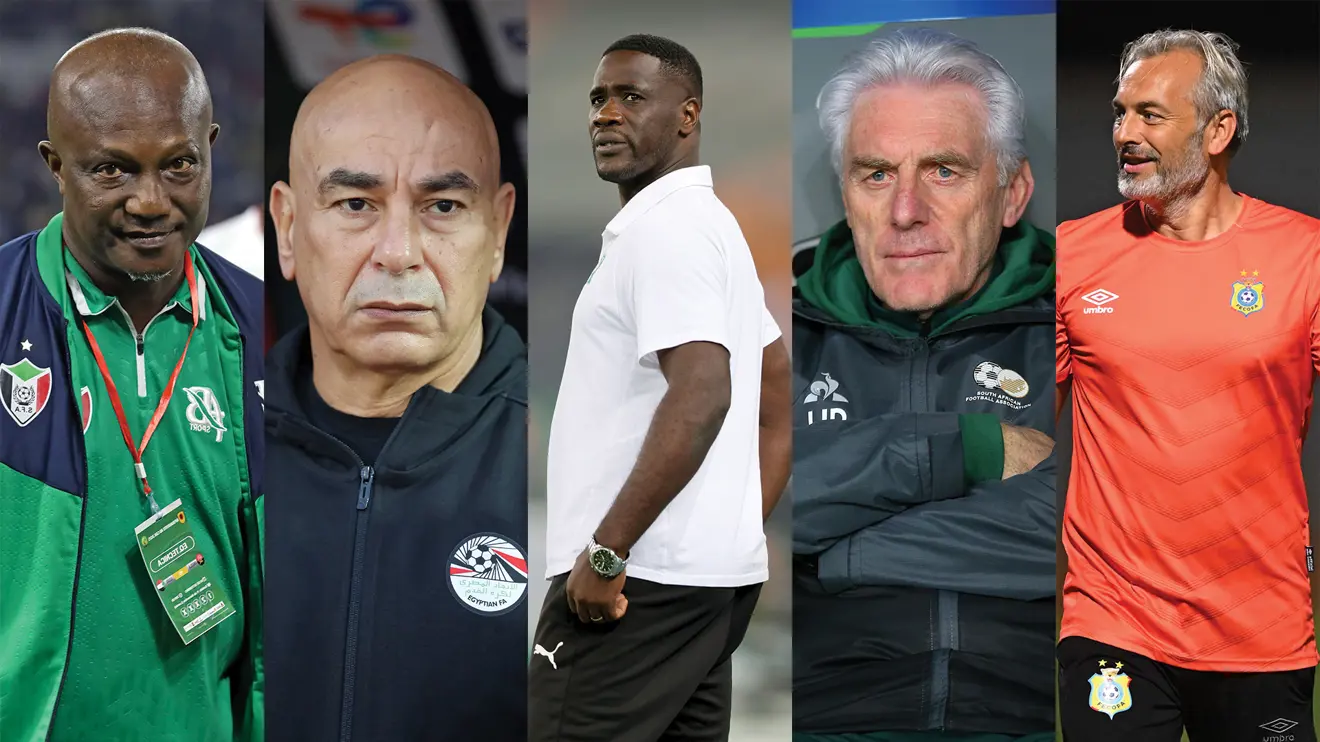
Eight teams remain in the race for the semi-finals of the 35th Africa Cup of Nations, and the spotlight now falls sharply on the men directing operations from the touchline.
AFCON 2025 has reached a phase where tactical clarity, squad management, and mental freshness define success as much as individual brilliance on the pitch.
In a tournament that allows no margin for error, coaches work without pause. As soon as a match ends, preparation for the next challenge begins.
Recovery protocols move into the hands of medical teams, physiotherapists, fitness coaches, and nutrition experts, but technical decisions stay firmly under the authority of the head coach and his staff.
Every session, every video review, and every selection choice carries weight.
Among the eight coaches still competing, six come from Africa. This reality places continental expertise at the heart of the competition and creates a strong possibility that the trophy will remain under African technical leadership.
Only two European figures continue their journey: Algeria’s Vladimir Petkovic, who holds Croatian and Swiss nationality, and Belgian technician Tom Saintfiet, who oversees Mali’s technical structure.
Recent history supports this continental dominance. Since Cameroon lifted the trophy in 2017 under Belgian coach Hugo Broos, African managers have controlled the summit of the competition.
Djamel Belmadi guided Algeria to glory in 2019. Aliou Cissé led Senegal to triumph in 2021. Emerse Faé followed with Ivory Coast’s success in 2023. AFCON has since evolved into a competition where local expertise sets the standard.
Emerse Faé still leads Ivory Coast and now chases the rare feat of retaining the title. His team faces Egypt, under the guidance of former international star Hossam Hassan, who now carries national expectations from the bench.
Morocco, led by Walid Regragui, enjoys home support and prepares for a demanding quarter-final against a resurgent Cameroon side. David Pagou has rebuilt Cameroon with authority and discipline after a difficult period.
Senegal, under Pape Thiaw, and Nigeria, coached by Eric Chelle, also stand at a critical crossroads. Both teams face opponents led by European tacticians and aim to reinforce the prevailing narrative of African technical supremacy.
As the tournament narrows, AFCON 2025 continues to reflect a deeper shift. African coaches now shape the identity, rhythm, and ambition of the competition.
The era of foreign dominance fades further with each edition. This Africa Cup of Nations no longer borrows its ideas. It defines them.
-
 Historic Yaya Touré becomes first African coach in Champions League league phase Aug 27, 2026
 -
From Morocco’s World Cup to Manchester City: 10 things about Ayyoub Bouaddi Aug 27, 2026
-
Morocco winger Couhaib Driouech trains with new Celta Vigo teammates Aug 27, 2026
-
Morocco U20 drawn with Algeria, Tunisia and Egypt in AFCON 2027 qualifiers Aug 27, 2026


-
AFCON 2025: Fixtures, Results, Scores and Standings Jan 18, 2026
-
Leadership and long-term vision key to rescuing Zamalek and inspiring Egyptian football – Hany Abou Rida Nov 5, 2025
-
South African giants Orlando Pirates set to lose influential forward Monnapule Saleng Mar 19, 2025
-
Full schedule for 2025 Africa Cup of Nations in Morocco confirmed Feb 12, 2025