Africa Cup of Nations set for four-year cycle after 2028 tournament

CAF President Patrice Motsepe has confirmed that the continent’s premier tournament will transition from a biennial to a quadrennial cycle starting in 2028 in a landmark announcement on the eve of the 2025 Africa Cup of Nations (AFCON) in Morocco.
The move marks a radical shift in African football, intended to alleviate chronic scheduling conflicts with the global calendar.
Speaking in Rabat ahead of tomorrow’s opening match between Morocco and Comoros, Motsepe outlined the new roadmap: “Just by way of information, in 2027, we’ll be going to Tanzania, Kenya and Uganda. The AFCON after that, as part of this restructuring of the global, the best African players… will participate and we will decide where the final is going to be held in North Africa”.
To maintain momentum between these four-year intervals, CAF will launch an annual African Nations League in 2029.
Motsepe noted that this arrangement ensures “you’ll have the equivalent of an AFCON every year,” featuring elite players “playing in African football at the highest level of the continent every year”.
The restructuring follows years of intense friction between CAF, FIFA, and European clubs. The 2025 edition itself faced significant delays, ultimately being moved to a December start to avoid clashing with the expanded FIFA Club World Cup in the summer.
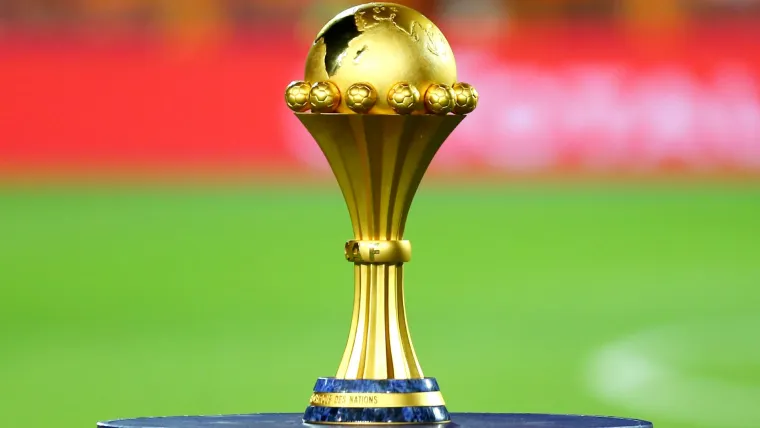
European clubs, long reluctant to release key players during their mid-season campaigns, successfully pressured FIFA to delay the mandatory release date for the 2025 tournament to December 15—just six days before kickoff.
This decision drew sharp criticism from African coaches, who warned that the shortened preparation window disrupts national team training.
This change adds to a decade of volatility for the tournament, which has seen its field expand to 24 teams and its timing fluctuate between January and June to manage both weather concerns and club pressures.
By moving to a four-year cycle and introducing an annual Nations League, Motsepe signaled a commitment to a “significantly more synchronized and harmonized” global schedule, aiming to protect the interests of African stars playing worldwide while securing the tournament’s long-term commercial value.
-
Rwandan Army coach says Zamalek defeats could inspire revival or expose mental weakness Oct 15, 2026
-
 Raja Casablanca players threaten contract termination amid signing bonus row Oct 15, 2026
 -
Ligue Europa: Herve Koffi starts for Union Saint-Gilloise against Real Sociedad Oct 15, 2026
-
Abdelhak Benchikha warns Ittihad Tangier fans against unrealistic title expectations Oct 15, 2026


-
AFCON 2025: Fixtures, Results, Scores and Standings Jan 18, 2026
-
Match hero Taiwo Awoniyi reflects on team effort after Chelsea triumph May 5, 2026
-
Leadership and long-term vision key to rescuing Zamalek and inspiring Egyptian football – Hany Abou Rida Nov 5, 2025
-
South African giants Orlando Pirates set to lose influential forward Monnapule Saleng Mar 19, 2025




-
Roma v Real Madrid: home side tipped to score first in Champions League clash Oct 12, 2026
-
Atletico Madrid v Manchester United: probable line-ups for Champions League clash Oct 12, 2026
-
Celta Vigo v Juventus: Probable line-ups for Europa League encounter Oct 14, 2026
-
Arsenal backed to edge out Lille in Champions League clash Oct 11, 2026