Chancel Mbemba speaks out on mental torture during final season at Marseille
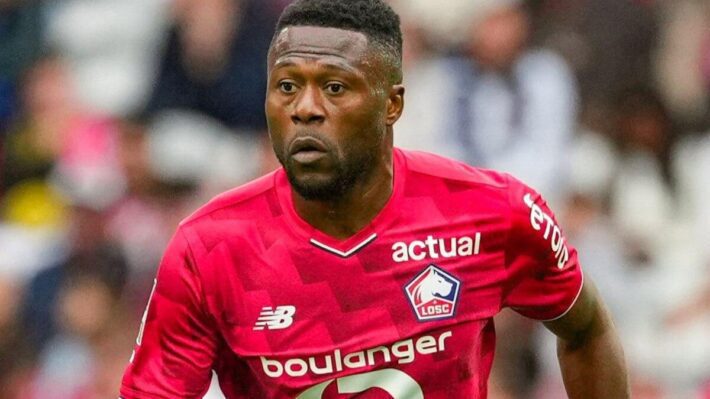
Chancel Mbemba has delivered a searing account of the emotional ordeal he says he endured during his final season at Olympique de Marseille, describing the period as a year of torture in an interview with Canal+.
The Congolese defender, now rebuilding his career at LOSC Lille, broke his silence on what he called an experience marked by isolation, pressure, and profound distress.
Mbemba joined Marseille in 2022 and swiftly became a central figure in the club’s defence.
His strong performances earned widespread praise across Ligue 1 and culminated in him winning the Marc-Vivien Foé Award, given to the league’s best African player.
But the momentum that defined his early months collapsed dramatically during the 2024–2025 campaign.
As his contract neared its end, Mbemba found himself unexpectedly frozen out of the first-team squad.
He did not make a single competitive appearance throughout the season, a situation he says came without sporting justification or medical explanation.
This abrupt exclusion prompted him to take legal action, alleging psychological harassment and claiming the club’s handling of the situation amounted to a lack of respect for a player who had long served with commitment.
In his interview with Canal+, Mbemba spoke openly about the emotional toll of the season.
I suffered a year of torture in the press. It was mental torture, he said, describing unrelenting media scrutiny and criticism combined with what he viewed as harsh treatment behind the scenes.
The defender said the isolation, the absence of playing time, and the constant public attacks created an environment that pushed him to limits he never could have imagined.
With his contract expired, Mbemba moved to Lille on a one-year deal — a step he considers vital for restoring both his confidence and his peace of mind.
His arrival at the club marked a deliberate attempt to reset his career, recapture competitive rhythm and work within a calmer and more supportive environment.
Despite the bitterness of his final Marseille season, Mbemba has maintained a respectful tone toward the club and its supporters.
He has expressed gratitude for the positive moments he experienced and has made clear his desire to focus on rebuilding rather than revisiting grievances.
For Mbemba, Lille represents not just a professional opportunity but a refuge from what he continues to describe as a deeply scarring year.
His testimony is a stark reminder that a player’s decline can unfold quietly, away from the pitch, and that the emotional burden of such experiences can be as heavy as anything encountered in competition.
-
 Fernando Da Cruz urges Kaizer Chiefs not to give up after CAF Confederation Cup exit Oct 24, 2026
 -
Ouaddou praises Evidence Makgopa after Champions League return Oct 24, 2026
-
Robert Eenhoorn reveals why Feyenoord rejected Al Ittihad offer for Hadj Moussa Oct 24, 2026
-
Negelle Arsi vs Adama Kenema: Early-season test puts defensive discipline in focus Oct 24, 2026



-
AFCON 2025: Fixtures, Results, Scores and Standings Jan 18, 2026
-
Match hero Taiwo Awoniyi reflects on team effort after Chelsea triumph May 5, 2026
-
Leadership and long-term vision key to rescuing Zamalek and inspiring Egyptian football – Hany Abou Rida Nov 5, 2025
-
South African giants Orlando Pirates set to lose influential forward Monnapule Saleng Mar 19, 2025




-
Barcelona v Real Madrid: Catalans backed at 1.65 to win October Clasico Oct 23, 2026
-
Barcelona and Real Madrid meet in pivotal 265th Clasico Oct 23, 2026
-
PSG v Barcelona: fiery attacks set up Champions League classic at Parc des Princes Oct 18, 2026
-
Champions League: PSG beat Barcelona as Liverpool complete comeback against Villarreal Oct 20, 2026