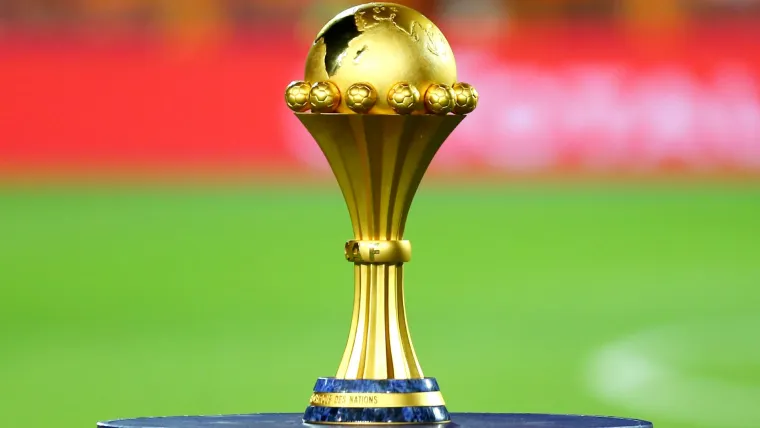
Yes, AFCON is held every two years. The Africa Cup of Nations follows a biennial format, meaning the tournament takes place once every 24 months.
This schedule allows CAF to maintain consistent competition, provide regular opportunities for African national teams, and sustain long-term fan engagement across the continent.
Why Is AFCON Held Every Two Years?
The biennial format of AFCON dates back to its founding years. Unlike many tournaments that eventually transitioned to a four-year cycle—such as the FIFA World Cup or UEFA European Championship—AFCON retained a two-year rhythm for several strategic reasons.
Providing Consistent Competitive Opportunities
African national teams benefit greatly from regular competitive fixtures. For many countries, AFCON represents:
-
A platform to evaluate squad development
-
A chance to test tactical ideas at the highest level
-
An opportunity to expose players to international competition
With the tournament held every two years, national teams can consistently measure progress and maintain strong performance cycles.
Encouraging Talent Exposure
Africa is one of the richest football talent pools in the world. Holding AFCON every two years ensures:
-
Young players gain visibility sooner
-
Scouts and clubs have more opportunities to discover African talent
-
Emerging stars can earn transfers that boost careers and national team quality
AFCON has historically been the launching pad for many iconic African players.
Maintaining Fan Engagement
African football fans are among the most passionate globally. A two-year AFCON fosters continuous excitement:
-
Reduces long waiting periods
-
Keeps national team narratives alive
-
Ensures the tournament remains central in African football culture
With fans seeking more regular high-stakes football, the biennial format meets demand.
Supporting CAF’s Commercial Growth
AFCON generates significant revenue through:
-
TV rights
-
Sponsorship
-
Advertising
-
Tourism in host nations
A two-year cycle keeps CAF’s revenue stream stable and predictable, providing financial resources that support football development across the continent.
The History of AFCON’s Scheduling
AFCON began in 1957 with just three participating nations. The inaugural tournament was played at a time when African nations were still gaining independence, and football served as a unifying force during a transformative period.
Early Years and the Adoption of the Two-Year Cycle
From the beginning, AFCON was played relatively frequently. By 1968, CAF officially established the biennial format, making AFCON one of the most regularly staged major international competitions.
Between the 1960s and 1990s:
-
The number of participating teams expanded
-
Host nations rotated across regions
-
The tournament grew in popularity and competitive strength
Expansion to 16 and 24 Teams
AFCON expanded to 16 teams in 1996 and later to 24 teams in 2019, reflecting the growth of African football and the increased competitiveness of national teams.
Attempts to Switch to a Four-Year Format
There have been debates about moving AFCON to a four-year cycle, especially to align better with international club football calendars. However:
-
CAF has confirmed AFCON will remain biennial
-
African nations overwhelmingly support the current system
-
The two-year cycle aligns with CAF’s development strategy
How the Biennial AFCON Schedule Works
Tournament Qualification
AFCON qualifiers typically run across 18 months, overlapping with:
-
FIFA international windows
-
World Cup qualifiers
-
Regional competitions
The qualification process ensures that teams are tested thoroughly before reaching the finals.
Tournament Timing and Calendar Challenges
Historically, AFCON was held in January–February, during mid-season for European clubs. This caused:
-
Club-versus-country tensions
-
Scheduling difficulties for players in top European leagues
In recent years, CAF has attempted to shift AFCON to June–July, but climate conditions in certain host nations (e.g., West Africa) often make this difficult due to:
-
Rainy seasons
-
Extreme temperatures
As a result, the timing of AFCON now varies depending on host country conditions.
Benefits of Holding AFCON Every Two Years
Accelerated Football Development
Regular tournament play strengthens:
-
National team systems
-
Tactical evolution
-
Youth progression
-
Continental ranking consistency
Enhanced Media and Global Attention
With AFCON occurring twice as often as other continental tournaments:
-
African teams remain visible on the global stage
-
Media coverage of African football increases
-
International broadcasters invest more frequently
Economic Opportunities
Host nations benefit from:
-
Tourism influx
-
Employment opportunities
-
Infrastructure development
-
Increased global exposure
Cultural and Social Unity
AFCON unites Africa in a unique way:
-
Nation-wide celebrations
-
Shared cultural moments
-
Pan-African identity reinforcement
Its frequency keeps these moments alive and frequent.
Challenges of AFCON’s Two-Year Cycle
The biennial format also presents specific challenges.
Club vs Country Conflicts
Many African players compete in:
-
Premier League
-
La Liga
-
Serie A
-
Bundesliga
AFCON’s timing sometimes overlaps with European domestic seasons, leading to:
-
Player fatigue
-
Club resistance
-
Reduced availability
Congested International Calendars
With World Cup qualifiers, CHAN, Olympic qualifiers, and friendlies, the two-year AFCON contributes to a crowded schedule.
Logistical and Financial Demands on Host Nations
Hosting a major tournament every two years requires significant investment in:
-
Stadiums
-
Transport
-
Accommodation
-
Security
This can be challenging for developing economies.
How AFCON’s Biennial Format Compares to Other Tournaments
AFCON vs EUROs
-
EUROs: Held every four years
-
AFCON: Held every two years
AFCON is more frequent, providing more continental competition.
AFCON vs Copa America
Copa America historically fluctuated between:
-
Annual cycles
-
Irregular schedules
-
Modern four-year cycle
AFCON’s consistency stands out.
AFCON vs Asian Cup
Asia’s premier tournament follows a four-year cycle, similar to EURO and Copa America’s modern structure.
The Future of AFCON’s Scheduling
CAF has repeatedly confirmed that AFCON will remain a biennial event due to:
-
Financial viability
-
Development priorities
-
National associations’ preferences
-
Broadcasting commitments
However, CAF continues exploring:
-
Better calendar alignment
-
Climate-aware scheduling
-
Strategies to reduce club vs country conflict
The introduction of new CAF intercontinental events may also influence long-term scheduling strategies.
Why Fans Support the Biennial Format
African fans widely embrace the two-year tournament because it:
-
Keeps national team football exciting
-
Creates memorable continental narratives
-
Offers more opportunities to host tournaments
-
Celebrates African unity frequently
AFCON is more than a tournament—it is a cultural event deeply rooted in African identity.
Conclusion
The Africa Cup of Nations is Africa’s most significant football celebration, and its biennial structure is essential to its identity. AFCON being held every two years ensures:
-
Continuous competitive growth
-
Regular fan engagement
-
Stable financial support for African football
-
Consistent exposure for emerging talent
While the scheduling poses challenges, its benefits overwhelmingly support CAF’s mission to develop African football and elevate global recognition for the continent’s players, teams, and football culture.
AFCON’s two-year rhythm will remain central to African football’s heartbeat, offering fans across the continent—and around the world—consistent moments of passion, pride, and unforgettable sporting dram
-
 Ramy Bensebaini suffers painful thigh knock in Borussia Dortmund victory over Frankfurt Oct 24, 2026
 -
Morocco face injury worries as El Faouzi and Rahimi fitness remain uncertain Oct 24, 2026
-
Steve McManaman backs Kylian Mbappe over Lamine Yamal in Ballon d’Or race Oct 24, 2026
-
Five clubs secure places in CAF Confederation Cup group stage Oct 24, 2026


-
AFCON 2025: Fixtures, Results, Scores and Standings Jan 18, 2026
-
Match hero Taiwo Awoniyi reflects on team effort after Chelsea triumph May 5, 2026
-
Leadership and long-term vision key to rescuing Zamalek and inspiring Egyptian football – Hany Abou Rida Nov 5, 2025
-
South African giants Orlando Pirates set to lose influential forward Monnapule Saleng Mar 19, 2025




-
Barcelona v Real Madrid: Catalans backed at 1.65 to win October Clasico Oct 23, 2026
-
Barcelona and Real Madrid meet in pivotal 265th Clasico Oct 23, 2026
-
PSG v Barcelona: fiery attacks set up Champions League classic at Parc des Princes Oct 18, 2026
-
Champions League: PSG beat Barcelona as Liverpool complete comeback against Villarreal Oct 20, 2026