Jean-Baptiste Bisseck sacked after Cameroon’s consecutive Women’s AFCON failure
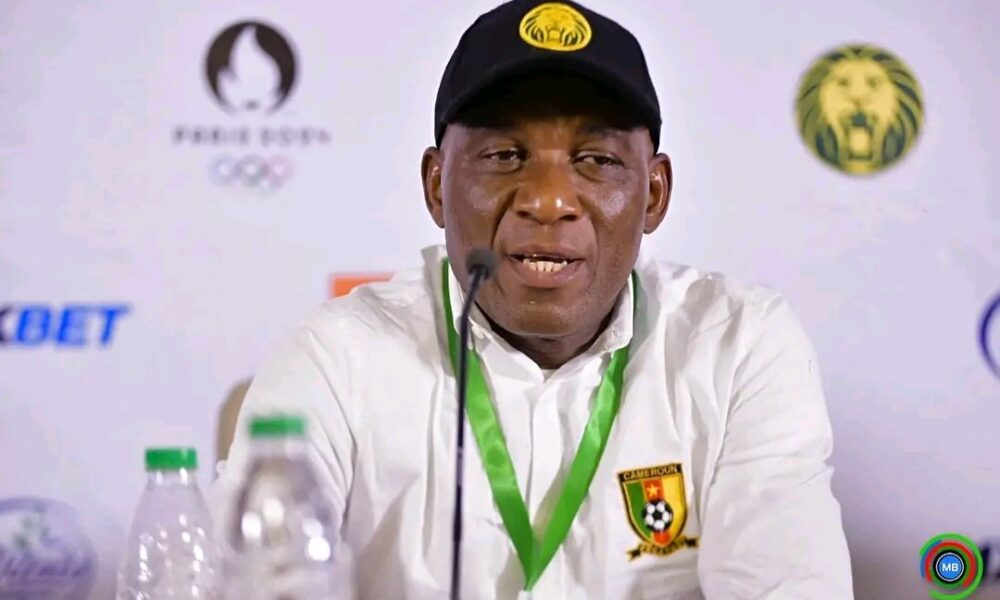
The Cameroon Football Federation (FECAFOOT) has parted ways with Jean-Baptiste Bisseck after the Indomitable Lionesses failed to qualify for the 2026 CAF Women’s Africa Cup of Nations.
The decision came less than a day after Cameroon’s elimination at the hands of Algeria.
FECAFOOT confirmed the news in an official statement on Wednesday, announcing: “Jean-Baptiste Bisseck is no longer the coach of Cameroon from the day of signature of this document.”
Cameroon’s 3–1 aggregate defeat ended their bid for a return to the continental stage and dashed their hopes of reaching the 2027 FIFA Women’s World Cup.
Bisseck, appointed in 2022, departs without leading the team to a major tournament.
His spell was marred by poor results, tactical inconsistency, and growing frustration among fans and former players who questioned the team’s direction.
The Lionesses had qualified for every Women’s AFCON since 2006, but consecutive failures under Bisseck have underlined a decline for one of Africa’s traditional powerhouses.
FECAFOOT is expected to name an interim coach shortly as it begins restructuring its women’s football programme.
Cameroon’s exit was sealed on Tuesday after a 1–0 loss to Algeria in Douala.
Marine Dafeur scored the decisive goal in the 22nd minute, finishing a swift counterattack with composure.
The result completed a 3–1 aggregate victory for Algeria following their 2–1 win in Bir El Djir.
Dafeur’s strike confirmed Algeria’s qualification for a second consecutive Women’s AFCON and highlighted the transformation under head coach Farid Benstiti.
Since taking charge in 2022, the Frenchman has instilled tactical discipline and mental strength, creating a balanced and confident team.
Cameroon, cheered on by a passionate home crowd, began the match strongly but failed to convert their chances. Algeria’s defensive structure and clinical counterattacks proved decisive.
-
 Siwelele appoint Lehlohonolo Seema as DStv Diski Challenge coach Oct 20, 2026
 -
Mamelodi Sundowns confirm signing of under-20 captain Lazola Maku Oct 20, 2026
-
Liverpool target third straight win as Villarreal seek Anfield upset Oct 20, 2026
-
Sabah Football Club face Borussia Dortmund in historic UEFA Champions League meeting Oct 20, 2026




-
AFCON 2025: Fixtures, Results, Scores and Standings Jan 18, 2026
-
Match hero Taiwo Awoniyi reflects on team effort after Chelsea triumph May 5, 2026
-
Leadership and long-term vision key to rescuing Zamalek and inspiring Egyptian football – Hany Abou Rida Nov 5, 2025
-
South African giants Orlando Pirates set to lose influential forward Monnapule Saleng Mar 19, 2025




-
PSG v Barcelona: fiery attacks set up Champions League classic at Parc des Princes Oct 18, 2026
-
Real Betis v Barcelona: kick-off time, TV details and match preview Oct 16, 2026
-
Morocco to face New Zealand as FIFA U-17 Women’s World Cup kicks off in Rabat Oct 16, 2026
-
Bryan Mbeumo scores again as Manchester United held by Leeds Oct 18, 2026