Senegal’s World Cup Qualifier with Mauritania in jeopardy over Stadium dispute
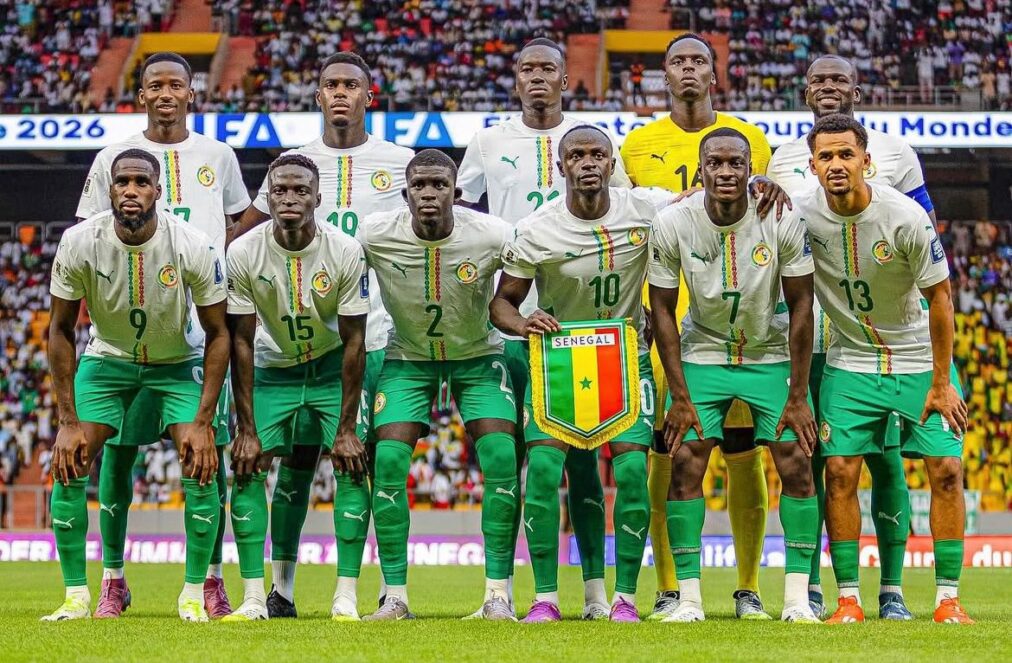
Senegal’s preparations for their final two 2026 World Cup qualifiers have been overshadowed by a growing dispute that threatens their upcoming home fixture against Mauritania.
Tension erupted after Dame Mbodji, director general of SOGIP — the state company managing the Abdoulaye Wade Stadium in Diamniadio — announced that the venue would not be made available for the October 14 match unless the Senegalese Football Federation (FSF) settles its outstanding debts and signs a new usage contract.
At a press conference reported by Les Échos, Mbodji was unequivocal in his demands, insisting that the match cannot take place without formal agreement.
They’ll have to sign the contract before they can play the match. The other requirement is the debt, which is still colossal. They need to clearly tell us the payment terms, he said.
He further noted that the FSF had been permitted to use the facility for their previous home game against Sudan without a signed contract — a situation he now refuses to tolerate.
This time, without a signed commitment, there will be no match at the Abdoulaye-Wade Stadium, Mbodji warned, calling for strict compliance with legal procedures.
The SOGIP chief also distanced his institution from recent increases in ticket prices, clarifying that the stadium’s rental fees have remained unchanged. The stadium rental rate has not changed for three years, he said.
However, his public remarks have provoked widespread backlash among Senegalese football figures and supporters, who view the timing and tone of the statement as deeply counterproductive.
With the Lions of Teranga needing unity ahead of their decisive qualifiers, many believe the issue should have been handled quietly.
This statement is pointless, one football stakeholder told Les Échos. He could have simply written to the new federation to resolve this internally. This is not the time to make noise when the country needs unity.
Others questioned why the national team should face such obstacles over a state-owned venue.
The national team is Senegal, not the FSF. Why is CICAD free for government events while the Lions have to pay for the stadium? another critic remarked.
Some went further, suggesting Mbodji’s position could come under review if his stance disrupts national interests.
The day he prevents a Lions match from being held at this stadium is the same day he’ll be dismissed by presidential decree, one reaction read.
Critics also accused Mbodji of forgetting his current role, arguing that he is no longer a union leader or teacher but the director of a parastatal company managing a public facility.
As Les Échos noted, many within the football community consider the national team’s interests a matter of state, with the FSF merely acting as its delegate.
The controversy could hardly have come at a worse time for Senegal, who require a stable and focused environment as they approach their crucial final qualifying fixtures on the road to North America 2026.
-
 Ramy Bensebaini suffers painful thigh knock in Borussia Dortmund victory over Frankfurt Oct 24, 2026
 -
Morocco face injury worries as El Faouzi and Rahimi fitness remain uncertain Oct 24, 2026
-
Steve McManaman backs Kylian Mbappe over Lamine Yamal in Ballon d’Or race Oct 24, 2026
-
Five clubs secure places in CAF Confederation Cup group stage Oct 24, 2026


-
AFCON 2025: Fixtures, Results, Scores and Standings Jan 18, 2026
-
Match hero Taiwo Awoniyi reflects on team effort after Chelsea triumph May 5, 2026
-
Leadership and long-term vision key to rescuing Zamalek and inspiring Egyptian football – Hany Abou Rida Nov 5, 2025
-
South African giants Orlando Pirates set to lose influential forward Monnapule Saleng Mar 19, 2025




-
Barcelona v Real Madrid: Catalans backed at 1.65 to win October Clasico Oct 23, 2026
-
Barcelona and Real Madrid meet in pivotal 265th Clasico Oct 23, 2026
-
PSG v Barcelona: fiery attacks set up Champions League classic at Parc des Princes Oct 18, 2026
-
Champions League: PSG beat Barcelona as Liverpool complete comeback against Villarreal Oct 20, 2026