2026 WCQ: FIFA rejects DRC complaint over Sudan match despite acknowledging eligibility breach
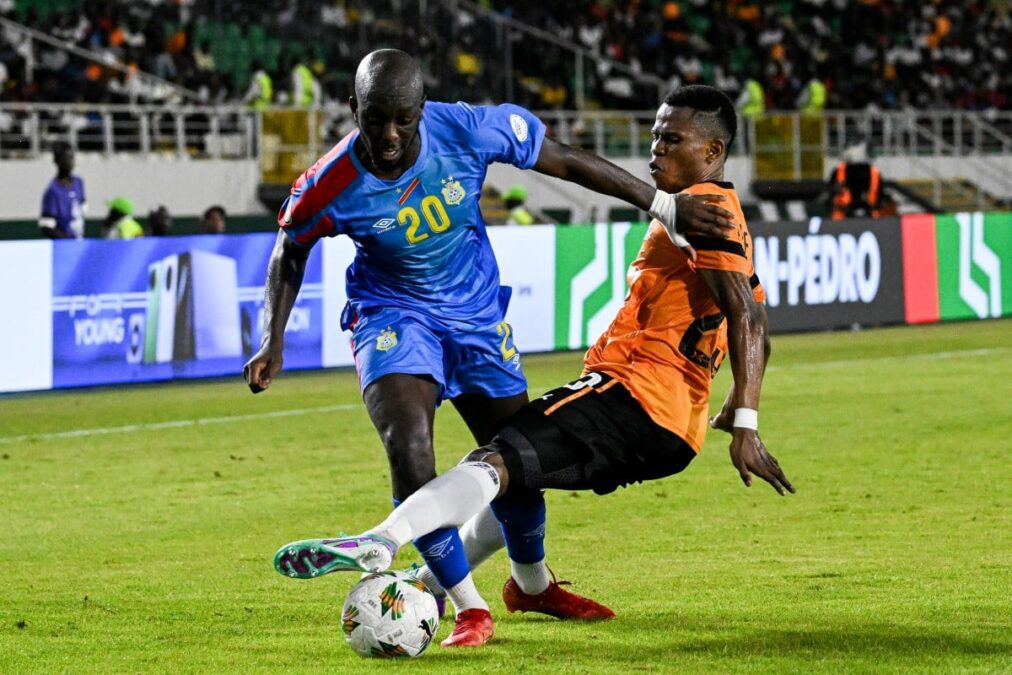
FIFA has ruled the Democratic Republic of Congo’s protest against Sudan in the 2026 World Cup qualifiers inadmissible, ending a year-long dispute that had cast a shadow over the competition.
The global governing body acknowledged that the Congolese federation was correct on the substance of its complaint but failed to follow the proper legal procedure, a technical misstep that ultimately cost the Leopards three crucial points.
The match in question was played on 19 November 2023 at the Martyrs of Benghazi Stadium in Libya, where Sudan hosted the DRC in a pivotal second-round qualifier.
Every point carried significant weight, yet an administrative irregularity would come to dominate the post-match narrative.
At the centre of the dispute was Sudanese forward Jusif Joose Ali, a Finnish-born player recently naturalised by Sudan.
Although he had been selected for the national team, he reportedly did not yet possess a Sudanese passport, appearing on the match sheet under his Finnish travel document.
Under FIFA regulations, players must hold a valid passport from the nation they represent, a rule the DRC argued had been breached.
The Congolese delegation acted swiftly on the day, lodging a technical reserve within the two-hour window after the match.
Everything appeared in order — until the complaint moved into the next phase.
FECOFA, the DRC’s football federation, submitted its formal protest by email instead of using FIFA’s Legal Portal, a mandatory secure platform introduced in 2021 for such disputes.
By the time the mistake was corrected, 17 days had passed — far beyond the regulatory deadline.
FIFA’s verdict was clear. In its statement, it confirmed that Jusif Joose Ali had indeed been ineligible.
However, the body stressed that “form is as important as substance” and declared the complaint inadmissible.
The consequence for the Leopards was the loss of a potential forfeit victory that might have transformed their qualifying campaign.
The ruling is a bitter pill for the DRC.
In Kinshasa, frustration is mounting over how a strong case could collapse under procedural oversight.
Critics point to this episode as emblematic of FECOFA’s wider administrative weaknesses and the high stakes of governance in international football.
The Jusif Joose Ali case now stands as a cautionary tale.
In an era of tightly regulated, globalised football, administrative precision has become as vital as on-pitch performance.
For the DRC, FIFA’s decision offers a harsh lesson: even when the sporting truth is on your side, procedural missteps can derail a nation’s World Cup dream.
-
 Emile Heskey urges Liverpool to consider move for Ghana forward Antoine Semenyo Oct 13, 2026
 -
Manchester City v PSG: Haaland-backed City tipped to edge Champions League thriller Oct 13, 2026
-
Hlungwani says Sundowns penalty should have been ruled out in MTN8 final Oct 13, 2026
-
Mdledle says Sundowns’ know-how ended Pirates’ MTN8 dominance Oct 13, 2026




-
AFCON 2025: Fixtures, Results, Scores and Standings Jan 18, 2026
-
Match hero Taiwo Awoniyi reflects on team effort after Chelsea triumph May 5, 2026
-
Leadership and long-term vision key to rescuing Zamalek and inspiring Egyptian football – Hany Abou Rida Nov 5, 2025
-
South African giants Orlando Pirates set to lose influential forward Monnapule Saleng Mar 19, 2025




-
Manchester United host winless Tottenham in Premier League clash Oct 7, 2026
-
Real Madrid fitness update: Valverde a doubt for Villarreal as Kylian Mbappe returns Oct 8, 2026
-
Lens v Lyon: Can the in-form visitors extend their unbeaten Ligue 1 run? Oct 6, 2026
-
Barcelona aim for eighth straight Liga win as Getafe visit Camp Nou Oct 7, 2026