Vladimir Petković considers changes ahead of crucial World Cup qualifiers
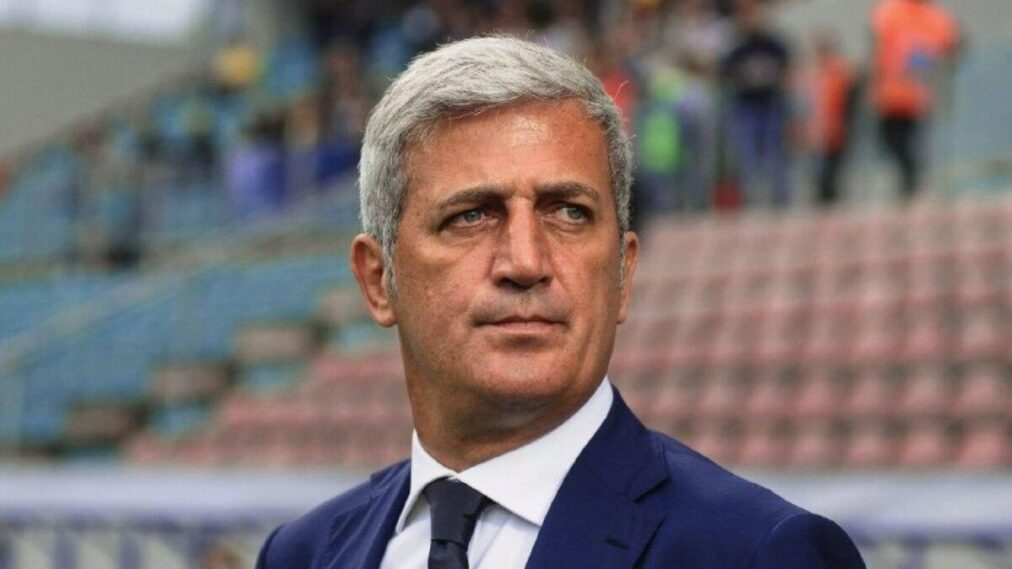
Algeria national team coach Vladimir Petković appears poised to make significant adjustments to his squad ahead of the Greens’ upcoming World Cup qualifying fixtures.
The Swiss tactician, who has previously resisted major lineup changes in the name of team cohesion, is reportedly reevaluating his selections following a series of underwhelming performances.
Sources close to the coaching staff indicate that Petković is considering sidelining two established players: Ramiz Zerrouki and Saïd Benrahma. Both have been heavily criticized by supporters for their recent displays, with fans calling for the inclusion of new talent to reinvigorate the squad.
Zerrouki struggled in the matches against Guinea, while Benrahma failed to make an impact against both Botswana and Guinea, prompting renewed debate over their starting roles.
The potential exclusions could pave the way for emerging talents to stake their claims. Midfielder Yacine Titraoui, who has been waiting for an opportunity at the national level, may finally receive his chance to impress during the next training camp.
Similarly, Benrahma’s absence could allow Badredine Bouanani, recently transferred to Stuttgart, to return to the fold and provide fresh options in attack.
Petković’s willingness to reconsider his previously rigid approach reflects the mounting pressure he has faced following mixed results in recent qualifiers.
Despite his emphasis on stability and cohesion, the coach appears ready to balance experience with the need for dynamism, signaling a potential shift in strategy as Algeria looks to secure its place in the World Cup.
The Greens’ next training camp, scheduled for October, will serve as a crucial testing ground. Petković is expected to experiment with personnel and formations, offering younger players the opportunity to impress and forcing established stars to justify their continued inclusion.
Observers anticipate several surprises in the squad announcement, as the coach seeks solutions to underperformance while maintaining team harmony.
For the squad, these potential changes represent both a challenge and an opportunity. Players on the fringes of selection will be motivated to demonstrate their readiness for international competition, while seasoned campaigners must reaffirm their value to retain their positions.
The dynamic is likely to create a competitive atmosphere in training, which could ultimately strengthen the team ahead of the decisive matches against Somalia and Uganda.
Analysts suggest that Petković’s openness to modification may be a strategic response not only to recent results but also to the demands of fans and media scrutiny.
By introducing fresh faces, he aims to inject energy and creativity into a squad that has struggled to meet expectations in key fixtures.
The coach’s decisions in the coming weeks could have a lasting impact on Algeria’s qualification campaign and the long-term composition of the national team.
As the Greens prepare for the final two World Cup qualifiers, all eyes will be on Petković’s selections. Supporters, in particular, will watch closely to see whether the coach balances continuity with innovation and how the emerging talents respond when called upon. The upcoming training camp promises to set the tone for Algeria’s crucial push toward World Cup qualification.
-
 Jeremie Obounet Moussangova joins Union Sportive d’Oyem in Gabon Oct 25, 2026
 -
Football betting tips for 25 October: Mbappe backed to score in El Clasico Oct 25, 2026
-
Cardoso refuses excuses as Sundowns suffer early CAF Champions League exit Oct 25, 2026
-
Makua questions whether some Kaizer Chiefs players are good enough for the club Oct 25, 2026


-
AFCON 2025: Fixtures, Results, Scores and Standings Jan 18, 2026
-
Match hero Taiwo Awoniyi reflects on team effort after Chelsea triumph May 5, 2026
-
Leadership and long-term vision key to rescuing Zamalek and inspiring Egyptian football – Hany Abou Rida Nov 5, 2025
-
South African giants Orlando Pirates set to lose influential forward Monnapule Saleng Mar 19, 2025




-
Barcelona v Real Madrid: Catalans backed at 1.65 to win October Clasico Oct 23, 2026
-
Barcelona and Real Madrid meet in pivotal 265th Clasico Oct 23, 2026
-
PSG v Barcelona: fiery attacks set up Champions League classic at Parc des Princes Oct 18, 2026
-
Champions League: PSG beat Barcelona as Liverpool complete comeback against Villarreal Oct 20, 2026