2026 World Cup Qualifiers: Ghana fans left frustrated as FIFA blocks local broadcast over GTV debt
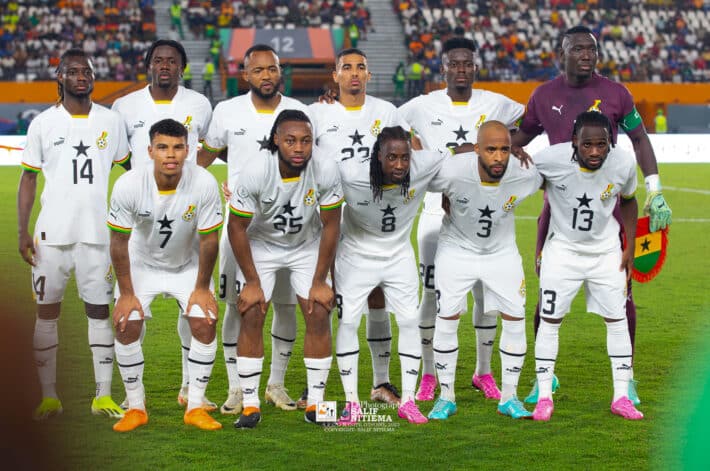
Ghana’s World Cup qualifying campaign has been overshadowed by a broadcasting dispute that has left fans unable to watch their national team’s matches on local television.
The Black Stars’ upcoming fixtures against Chad and Mali, crucial encounters in the race for a spot at the 2026 tournament, will not be shown on any domestic TV channels.
This development has sparked widespread frustration across the country, where support for the national side remains deeply passionate.
At the centre of the issue is state broadcaster GTV, which holds the rights to air Ghana’s World Cup qualifiers. Reports indicate that the station has been unable to settle outstanding debts owed to FIFA, leading football’s governing body to block access to live coverage within Ghana.
The decision means millions of supporters who rely on free-to-air broadcasts will miss out on following their team’s progress in one of the most significant stages of international football.
The absence of local coverage is particularly disappointing given the magnitude of these qualifiers. Ghana’s journey towards securing a place at the 2026 World Cup in North America is of immense national interest, and the inability to watch matches live has been met with criticism and concern from fans, analysts, and media personalities alike.
For many, travelling to the stadiums is not a viable option, making television coverage a vital link between the team and its supporters.
While FIFA’s decision to enforce its broadcasting rights highlights the importance of financial compliance, the move has underlined long-standing issues surrounding the management of broadcasting rights and the financial sustainability of public broadcasters in the region.
GTV, one of Ghana’s oldest and most trusted networks, has faced mounting challenges in recent years, with this latest setback compounding concerns over its ability to meet international obligations.
For fans desperate to follow the Black Stars’ campaign, alternative solutions have been suggested. Accessing international broadcasts, IPTV services, and various online streaming options are being explored, though these often come with barriers such as subscription costs or unreliable connections, limiting accessibility for many households.
The disruption arrives at a crucial moment for Ghanaian football. The national team remains a source of immense pride, with hopes of securing qualification for what would be another historic appearance on the world stage.
Matches against Chad and Mali represent important opportunities to strengthen their position in the qualifying group, yet the absence of nationwide broadcast coverage threatens to dampen excitement and engagement around the campaign.
This situation serves as a stark reminder of the intricate relationship between sport, broadcasting rights, and financial governance. While football’s global reach continues to grow, access to matches remains heavily dependent on financial arrangements that can leave fans sidelined when disputes arise.
As Ghana prepares for its upcoming fixtures, attention will not only be on the team’s performance on the pitch but also on whether solutions can be found to restore local broadcasts and reconnect supporters with their beloved Black Stars.
For now, fans will be forced to rely on foreign platforms and online streams to stay connected to their team’s quest for a place at the 2026 World Cup.
-
 Qarabag target Nigeria winger Taofeek Ismaheel after Gornik Zabrze return Aug 26, 2026
 -
Fenerbahce weigh move for Frankfurt’s French-Cameroonian winger Bahoya Aug 26, 2026
-
Felix Uduokhai: Union Berlin weigh move for Besiktas centre-back Aug 26, 2026
-
Juventus linked with Ivorian-Italian midfielder Franck Kessie Aug 26, 2026



-
AFCON 2025: Fixtures, Results, Scores and Standings Jan 18, 2026
-
Leadership and long-term vision key to rescuing Zamalek and inspiring Egyptian football – Hany Abou Rida Nov 5, 2025
-
South African giants Orlando Pirates set to lose influential forward Monnapule Saleng Mar 19, 2025
-
Full schedule for 2025 Africa Cup of Nations in Morocco confirmed Feb 12, 2025




-
Ajax close in on Franco-Guinean youngster Abdoulaye Camara Aug 19, 2026
-
DR Congo star Fiston Mayele joins Al Ahli Tripoli on two-year deal Aug 20, 2026
-
2026 Joan Gamper Trophy: FC Barcelona vs Al Ahly – When and how to watch Aug 19, 2026
-
Newcastle United reach agreement to sign Guinean midfielder Ousmane Diabaté Aug 19, 2026