Africans Abroad
Burkina Faso
Competitions
Countries
Egypt
FIFA World Cup
Latest News
Mali
Morocco
Senegal
South Africa
Tunisia
Uganda
World Football
Youth
Zambia
2025 U17 World Cup: Nine African nations march into round of 32
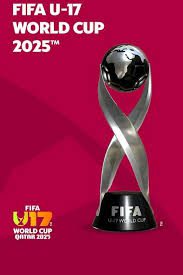
Nine African teams have advanced to the round of 32 at the U17 World Cup, marking a historic milestone for the continent and underlining the growing strength of African youth football on the global stage.
Mali booked their place with a commanding 2-0 victory over Saudi Arabia, displaying control and composure throughout the contest.
Burkina Faso followed suit, overcoming Tajikistan by the same scoreline to secure their qualification.
Uganda produced one of the tournament’s biggest shocks by defeating France 1-0, sealing their progression and further boosting Africa’s impressive showing.
Before these latest results, six other African nations had already confirmed their qualification for the knockout stage — Tunisia, Egypt, Morocco, South Africa, Senegal, and Zambia.
Their collective success means that nine of Africa’s representatives will continue their journey in the competition, the highest number the continent has ever achieved at this level.
This remarkable performance highlights the depth of talent emerging from African academies and the steady improvement of football development programs across the continent.
Teams have not only shown technical quality but also tactical discipline and resilience against some of the world’s most established footballing nations.
In contrast, Ivory Coast’s campaign ended in disappointment.
The Young Elephants were unable to progress after suffering three consecutive defeats, their final group match ending in a 3-1 loss to South Korea.
Despite their early exit, their participation added to Africa’s record presence at the tournament.
With nine nations advancing, Africa is assured a strong representation in the knockout stages and will be aiming to push even further.
The continent has a proud history of producing world-class talent at the youth level, and this latest achievement reinforces Africa’s growing influence in the global game.
As the competition moves into its decisive rounds, hopes are high that several of these teams can continue their remarkable journeys — and perhaps go all the way — further solidifying Africa’s reputation as a powerhouse in world youth football.
Popular News



-

AFCON 2025: Fixtures, Results, Scores and Standings
Jan 18, 2026 -

Leadership and long-term vision key to rescuing Zamalek and inspiring Egyptian football – Hany Abou Rida
Nov 5, 2025 -

South African giants Orlando Pirates set to lose influential forward Monnapule Saleng
Mar 19, 2025 -

Full schedule for 2025 Africa Cup of Nations in Morocco confirmed
Feb 12, 2025

-

LIVE UPDATES: D.R Congo 1-0 Jamaica – 2026 FIFA World Cup Playoffs
Mar 31, 2026 -

Cameroon defeat China 2-0 in FIFA Series clash
Mar 31, 2026 -

Africa’s 2026 World Cup Teams: Fixtures and Results for March friendly games
Apr 1, 2026 -

Zimbabwe defender Teenage Hadebe dropped after code of conduct breach
Mar 30, 2026